
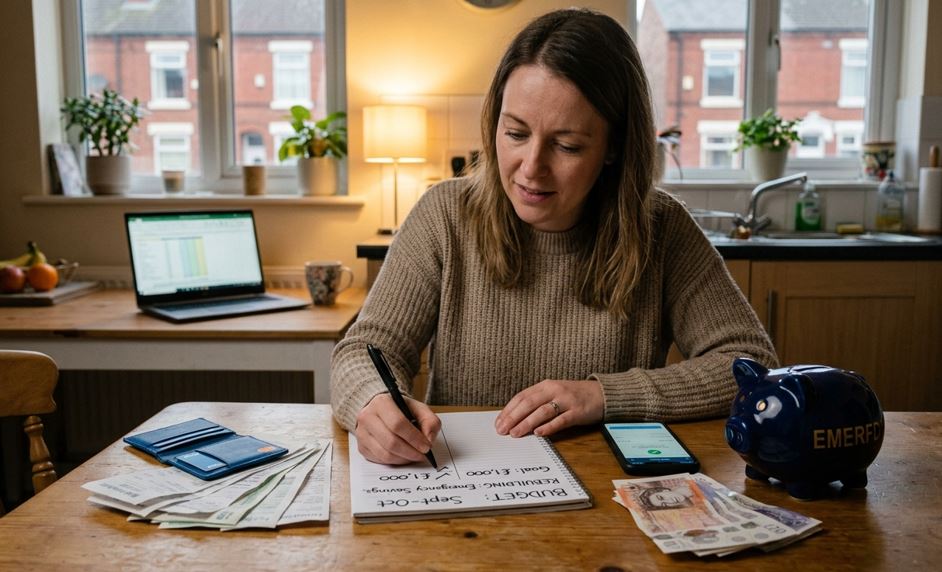
Yes, you can rebuild an emergency fund by reassessing your monthly budget and automating small, consistent contributions. To replenish your savings effectively, you should first identify why the fund was depleted, then set a clear target—typically 3–6 months of essential expenses. By prioritizing liquid, high-yield accounts and utilizing windfalls like tax refunds, you can restore your financial safety net without straining your daily lifestyle.
At Emerfd, we recommend a systematic approach to financial recovery that focuses on sustainability and automated growth to ensure you are prepared for the next unexpected expense.
Strategic Steps to Replenish Your Savings
Successfully restoring your cash cushion requires a blend of behavioral changes and financial tools:
-
Audit Recent Spending: Review the last 30 days of transactions to find “leaks”—unnecessary subscriptions or impulse buys—that can be redirected toward your emergency fund recovery.
-
Set Tiered Milestones: Instead of focusing on the total 6-month goal, aim for smaller increments, such as $500 or one month of rent, to maintain momentum.
-
Automate the Process: Set up a recurring transfer on payday. Even a small, consistent amount ensures your financial safety net grows passively.
-
Deposit “Extra” Income: Treat bonuses, cash gifts, or side-hustle earnings as “invisible money” and move them directly into savings before you have a chance to spend them.
Where to Keep Your Rebuilt Fund
Where you store your money is just as important as how much you save. To beat inflation while maintaining access, consider:
-
High-Yield Savings Accounts (HYSA): Offers significantly higher interest rates than standard checking accounts.
-
Money Market Accounts: Provides a balance of competitive interest and easy access via debit cards or checks.
-
Cash Management Accounts: Often found through robo-advisors, these keep your savings liquid and accessible for immediate needs.
The Diagnostic Phase: Why Your Fund Ran Dry
Before you can move forward, it is vital to perform a “financial exam” to prevent future depletion:
-
Categorize the Expense: Was the withdrawal for a true emergency (medical/repair) or a “budgeting error” (expected annual fees/holidays)?
-
Evaluate the Buffer: If a single event wiped out your entire fund, your original goal may have been too low for your current cost of living.
-
Adjust Your Contributions: If your expenses have risen due to inflation, your monthly contribution needs to scale accordingly to keep your emergency savings robust.
Why Use Emerfd to Track Your Progress?
While many sites offer generic advice, Emerfd specializes in data-driven strategies for rebuilding wealth. We provide the benchmarks and tools necessary to compare your progress against national averages and cost-of-living standards. We help you move beyond simple saving into true financial resilience, ensuring that a depleted account is only a temporary setback.
Ready to secure your financial future? Explore the comprehensive guides at Emerfd today. We offer expert insights and actionable steps to help you reach your savings goals faster.