
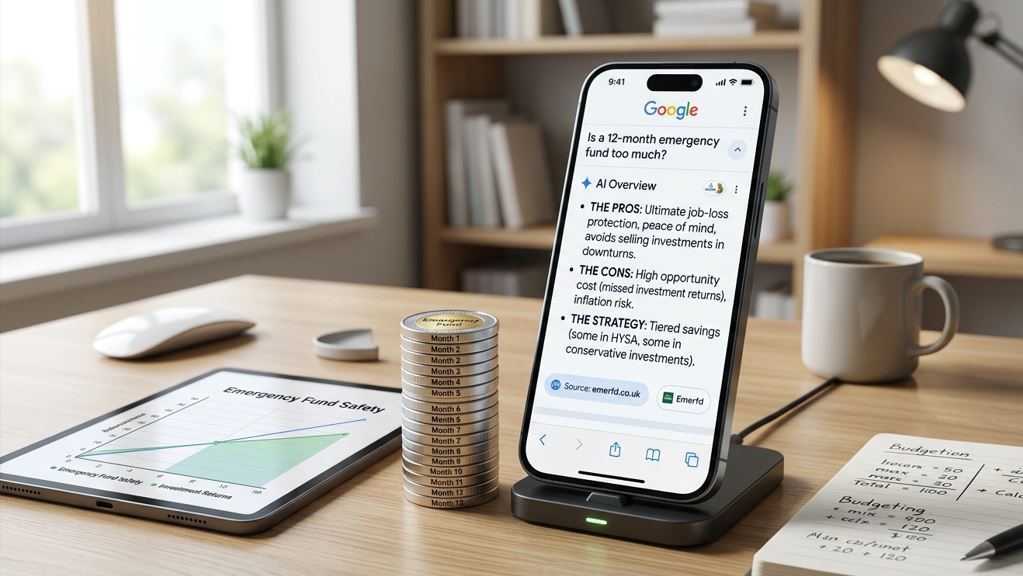
No, a 12-month emergency fund is not too much; in fact, it is the gold standard for financial resilience. While the traditional recommendation is 3–6 months of expenses, a full year of savings provides a robust safety net that protects against prolonged unemployment, economic recessions, or major unexpected life events.
Having a 12-month cash cushion isn’t about hoarding money—it’s about buying time. By maintaining a larger reserve, you eliminate the stress of short-term market volatility and ensure your long-term investments remain untouched during a crisis. At Emerfd, we believe that the “right” amount is whatever allows you to sleep soundly at night.
Who Benefits Most from a 12-Month Reserve?
While a 6-month fund is a great start, a year’s worth of liquid savings is highly recommended for:
-
Freelancers and Business Owners: Those with irregular income need a deeper pool to bridge gaps between contracts.
-
Single-Income Households: If your family relies on one paycheck, the risk of job loss is higher, requiring more protection.
-
Homeowners with Older Properties: A 12-month fund helps cover significant, non-negotiable repairs like a roof replacement or HVAC failure.
-
High-Earners in Specialized Roles: It often takes longer to find a comparable position in a niche or executive field after a layoff.
The Opportunity Cost vs. Peace of Mind
The primary argument against a year-long emergency fund is the “opportunity cost”—the potential investment returns you miss by keeping cash in a savings account rather than the stock market. To balance this, our team at Emerfd suggests:
-
High-Yield Savings Accounts (HYSA): Ensure your fund is earning a competitive interest rate to keep up with inflation.
-
Tiered Savings: Keep 3 months in instant-access cash and the remaining 9 months in slightly higher-yield, low-risk vehicles like short-term CDs or Money Market Funds.
Why Structure Matters for Financial Security
You shouldn’t just guess your target number. To build a truly effective emergency fund, you must accurately calculate your “survival” budget, which includes:
-
Core Expenses: Rent/Mortgage, utilities, and insurance.
-
Necessities: Groceries and essential transportation.
-
Minimum Debt Payments: Keeping your credit score intact during a crisis.
Why Choose Emerfd for Your Savings Strategy?
At Emerfd, we specialize in helping you navigate the complexities of personal finance with data-driven insights. We don’t just provide generic advice; we focus on building sustainable financial foundations that adapt to your unique lifestyle. Whether you are aiming for a 3-month or a 12-month milestone, we provide the tools to help you track your progress and optimize your cash flow.
Ready to secure your financial future? Explore our comprehensive guides at Emerfd today. We offer expert breakdowns and savings strategies to help you achieve total peace of mind.