
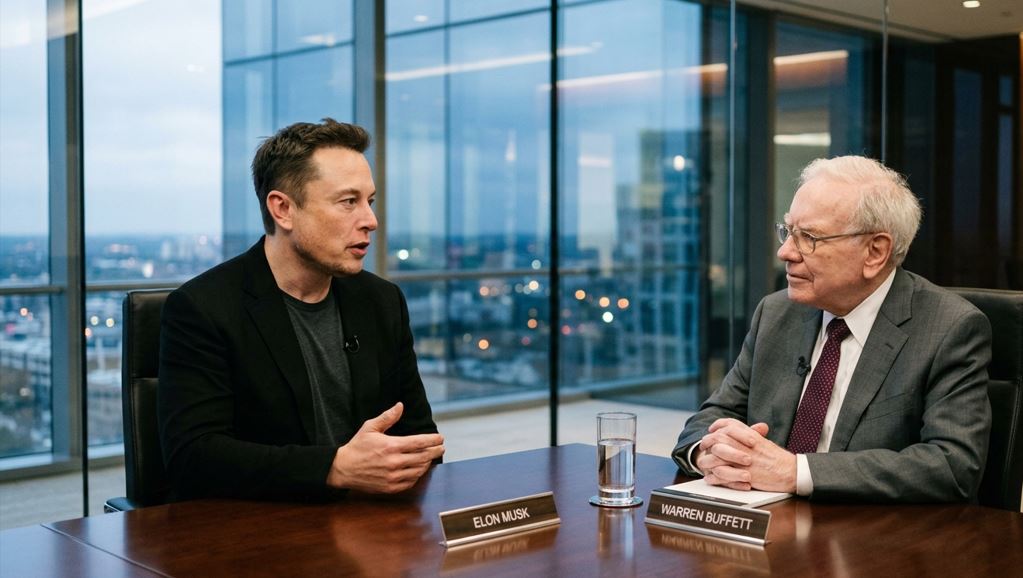
Elon Musk has expressed a complex and often critical view of Warren Buffett, describing his work in capital allocation as “boring” while simultaneously acknowledging his immense skill in the field. While Musk respects Buffett’s ability to analyze companies, he has famously clashed with Buffett’s “moat” philosophy, arguing that “moats are lame” and that the pace of innovation is the only true competitive advantage.
Despite their public disagreements, the relationship is nuanced; Musk once sought investment from Berkshire Hathaway during Tesla’s early days and has noted that Buffett’s public persona as a “kindly grandfather” may be a simplified version of his actual business persona. For those looking to build a resilient emergency fund, understanding these different investment philosophies can provide valuable perspective on capital management.
Key Points of Contention Between Musk and Buffett
The friction between the two billionaires often stems from their fundamentally different approaches to business:
-
The “Moat” Debate: Musk believes that if your only defense against an interloper is a “moat” (a competitive advantage like brand name or patent), you won’t last long. He argues that constant innovation is the only real defense.
-
The Utility of Work: Musk has stated that “too many smart people” go into finance and law instead of making physical products. He characterized Buffett’s role of studying companies and deciding where to allocate capital as essentially “a bit boring.”
-
The “Kindly Grandfather” Image: Musk has suggested that Buffett’s public image is a highly effective brand strategy that masks a very sharp and ruthless investment mind.
Rare Moments of Praise and Connection
It hasn’t all been criticism. Musk has acknowledged the necessity of what Buffett does:
-
Capital Allocation Skill: Musk admitted that while he finds the work tedious, Buffett is arguably the best in the world at it.
-
Early Investment Interest: During the 2008 financial crisis, Musk reportedly reached out to see if Buffett would be interested in investing in Tesla, though a deal never materialized.
-
Educational Value: Musk has recommended that people study Buffett’s letters to shareholders to understand the fundamentals of a solid financial foundation.
The Diagnostic Process: Why Their Philosophies Differ
To understand why Musk speaks about Buffett the way he does, one must look at their core objectives:
-
Buffett’s Focus: Long-term stability, predictable cash flows, and minimizing risk.
-
Musk’s Focus: Radical innovation, high-risk ventures, and manufacturing complex hardware.
-
Resulting Friction: Buffett avoids what he doesn’t understand (like early-stage tech), while Musk embraces the unknown.
Why Follow the Musk-Buffett Debate for Your Finances?
While their styles differ, both emphasize the importance of understanding where your money goes. Whether you prefer Buffett’s cautious compounding or Musk’s aggressive growth, maintaining an emergency fund in the UK or elsewhere is a fundamental principle they both indirectly support through their focus on liquidity and capital health.
Want to learn more about managing your capital like the world’s wealthiest? Explore our guides at EmerFD today. We provide expert insights into financial stability to help you navigate the complex world of personal finance.